
Polygon Rotary Broaching
When the term “broaching” is used in the manufacturing industry, most think of conventional step broaching which involves pushing or pulling a toothed bar through a part on a press. It is a method that has been around since the beginning of (manufacturing) time. The problem with conventional broaching is that it has application limitations and cost/efficiency drawbacks. For example, conventional broaches can only be used in through-hole applications and must be performed as a secondary operation on a press. Also, costs and manufacturing lead times for conventional step broaches can be exorbitant. A newer manufacturing method called “rotary broaching” addresses these problems and can outperform conventional broaching.
Ordering Code
Choose Quantity :
Product Information
Operating Principle / Features / Applications
Operating Principle
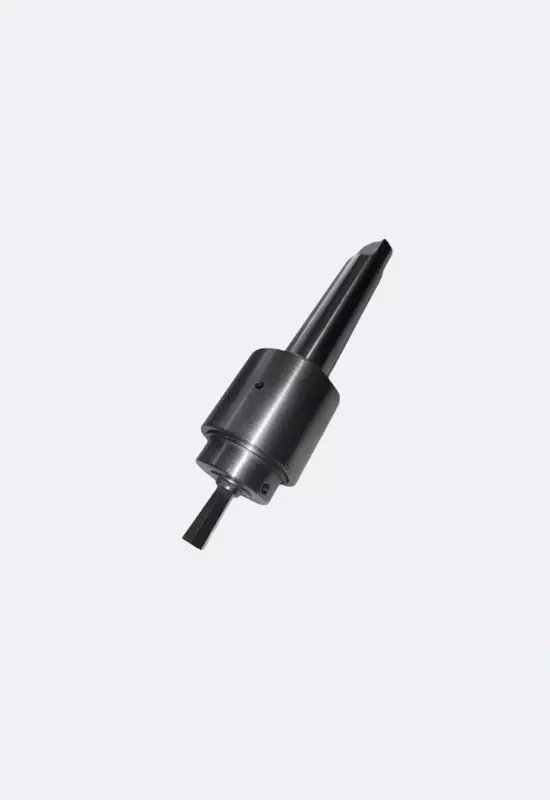
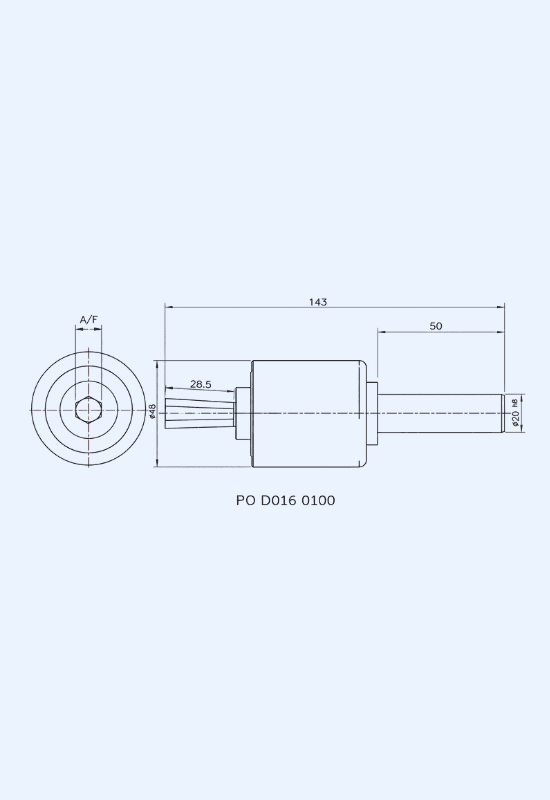
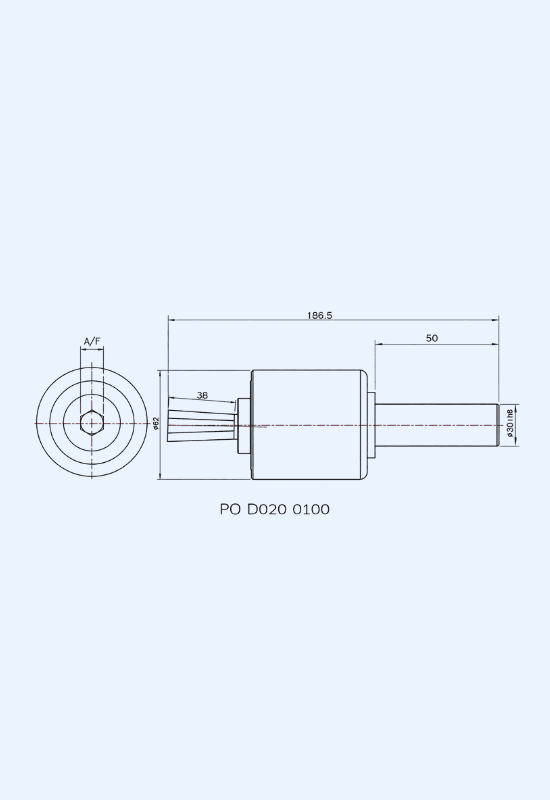
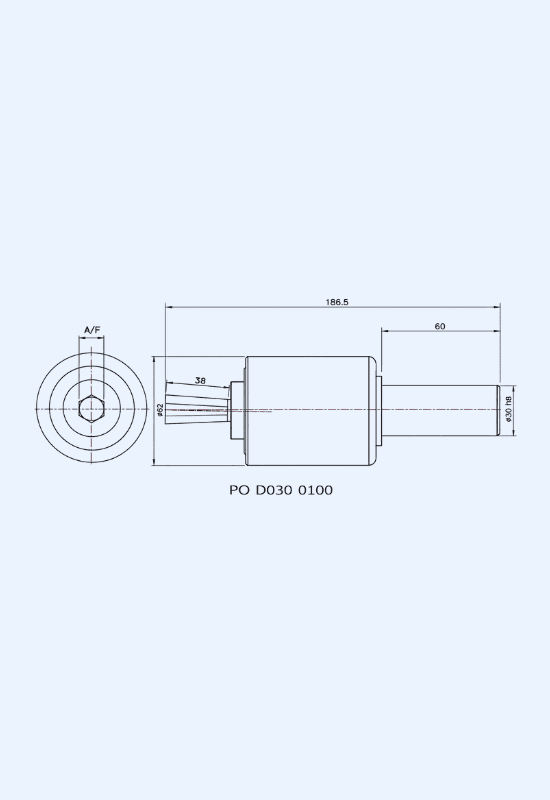
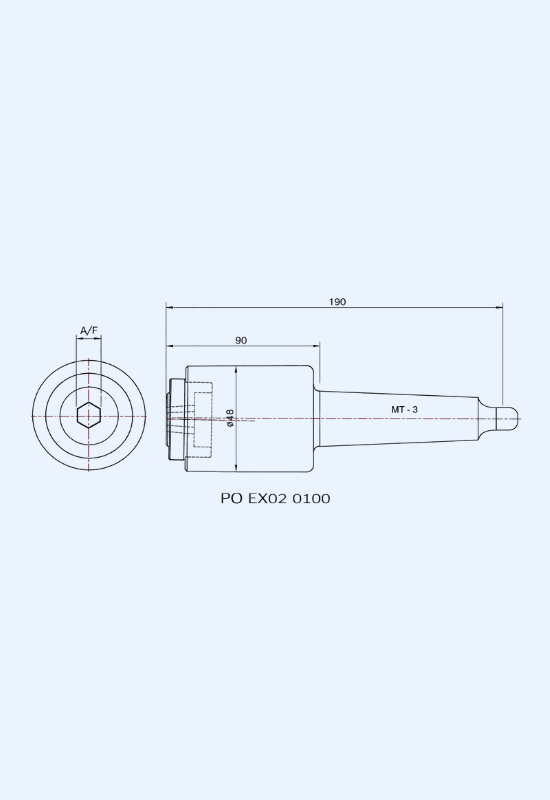
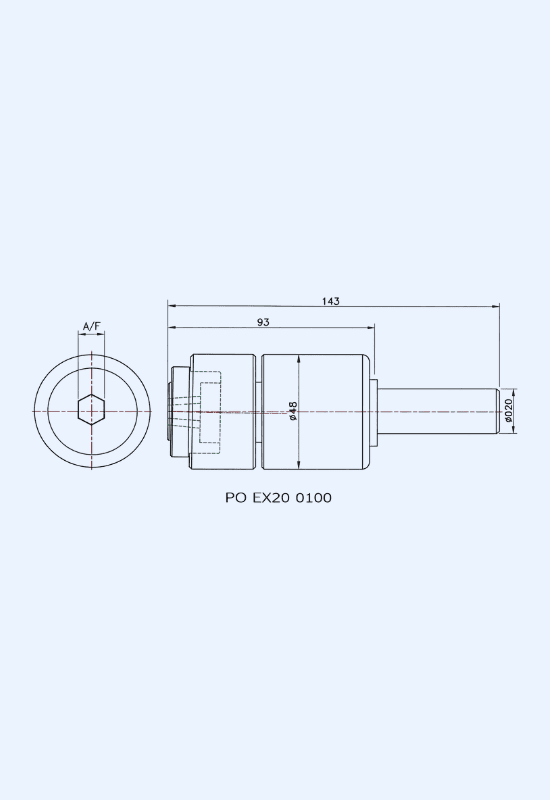
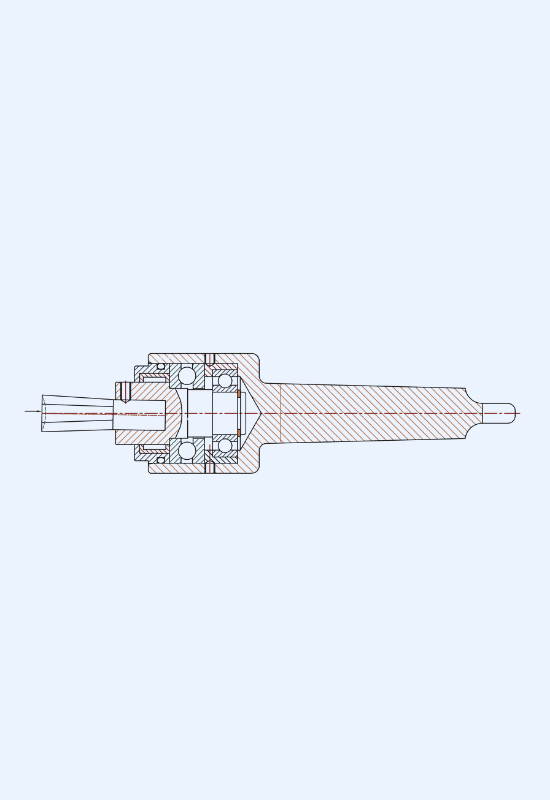
Rotary broaching is a rapid machining method that cuts shapes into or onto a work piece. It involves using a broach, which is ground to the finished desired form, and a rotary broaching tool holder on a lathe, mill or other CNC machine. The rotary broaching tool holder has a free-rotating spindle on the front end, which holds the broach at a 1-degree angle. The broach is driven by the work piece so no live tooling is needed. In a lathe, upon contact with the work piece, the broach and tool holder spindle will begin to rotate 1:1 with the work piece while the body of the tool holder is held stationary. Features
Rotary broaching is a rapid machining method that cuts shapes into or onto a work piece. It involves using a broach, which is ground to the finished desired form, and a rotary broaching tool holder on a lathe, mill or other CNC machine. The rotary broaching tool holder has a free-rotating spindle on the front end, which holds the broach at a 1-degree angle. The broach is driven by the work piece so no live tooling is needed. In a lathe, upon contact with the work piece, the broach and tool holder spindle will begin to rotate 1:1 with the work piece while the body of the tool holder is held stationary. Features
- Reduces cycle times
- Rapid speeds and feeds
- Increase production
- No machine changes
- Improved quality
- Precision broaching
- No secondary operation
- Reduce costs
- Rotary broaching can be used on any CNC lathe, mill, or other turning center, rotary broaching allows the user to create ID or OD shapes at the same time as other turning or machining operations.
- Rotary broaching cut materials carbon steel, alloy steel, brass, aluminium, stainless steel, titanium and plastics etc.