
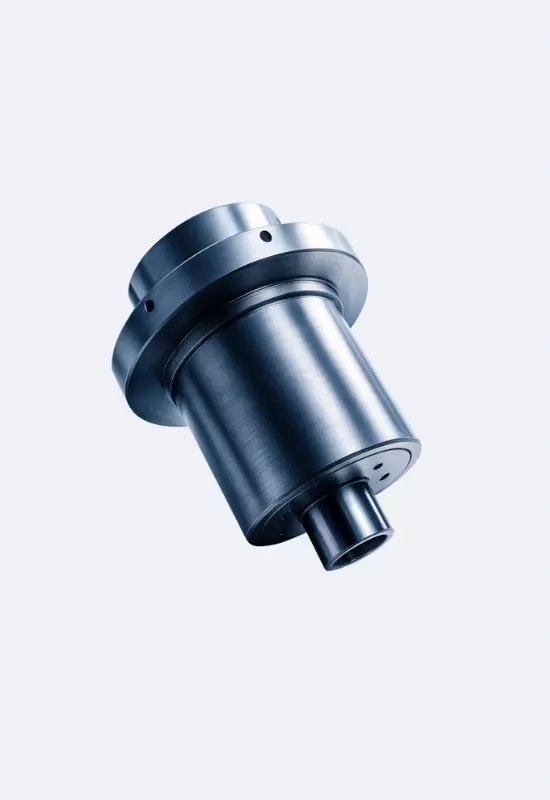
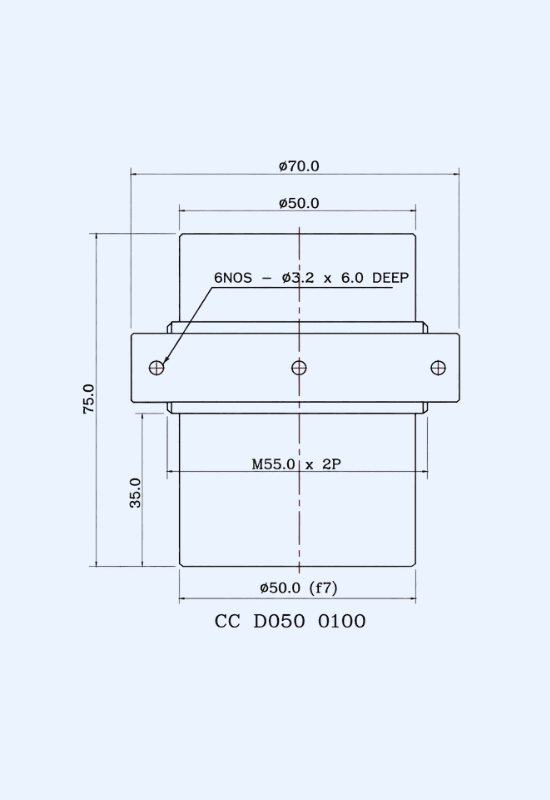
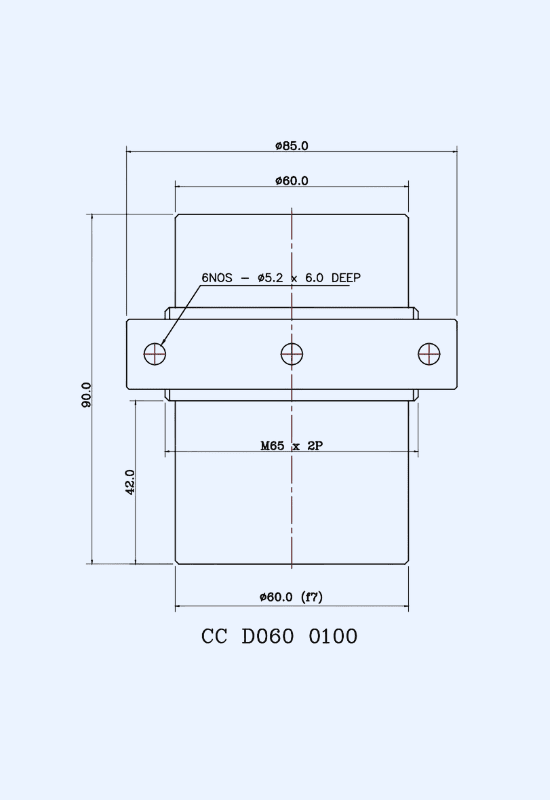
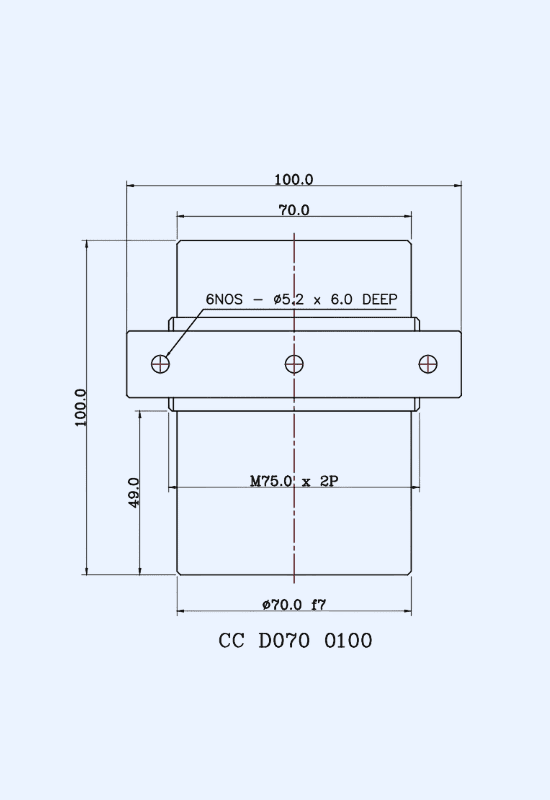
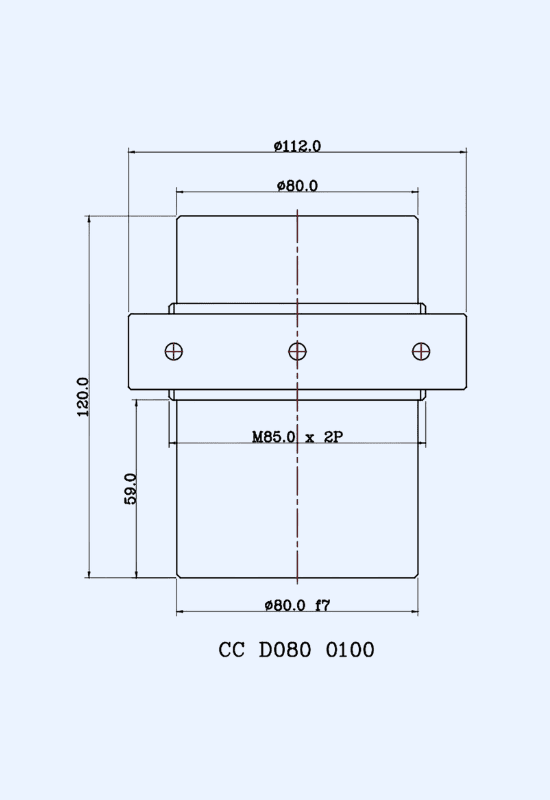
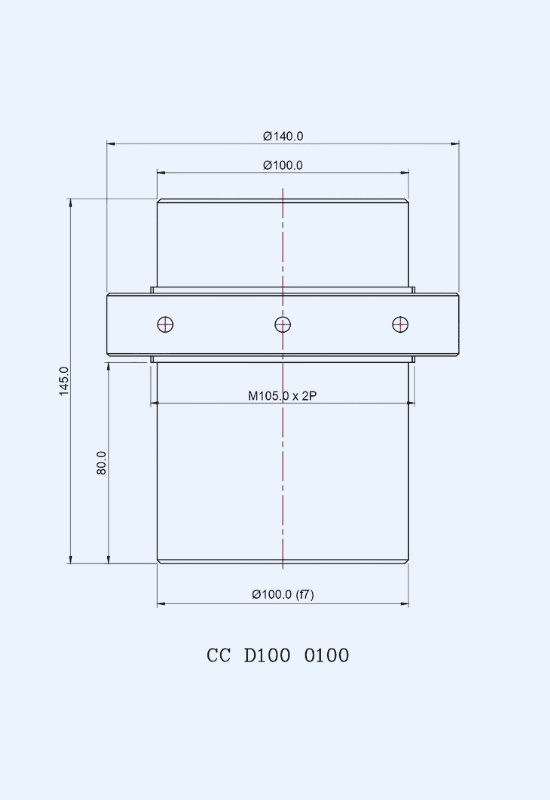
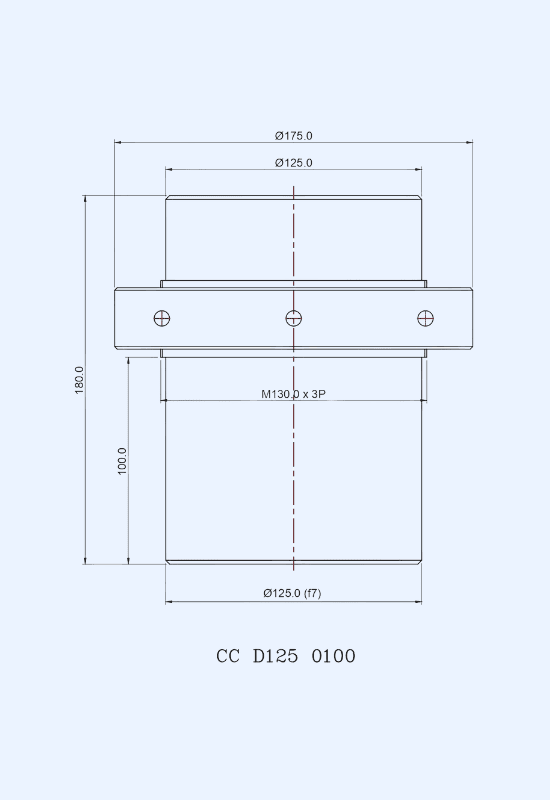
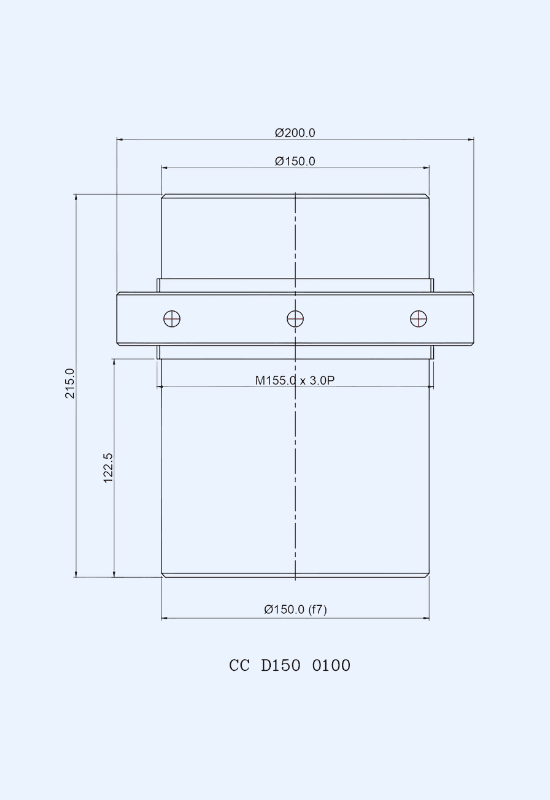
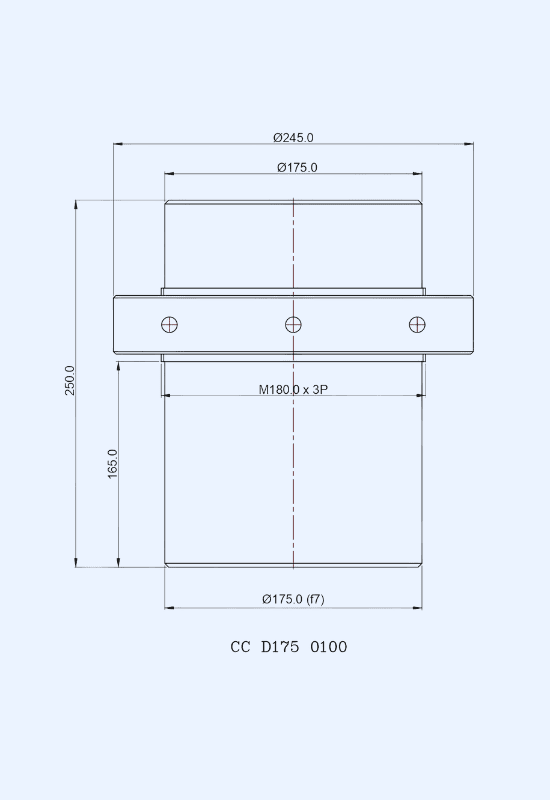
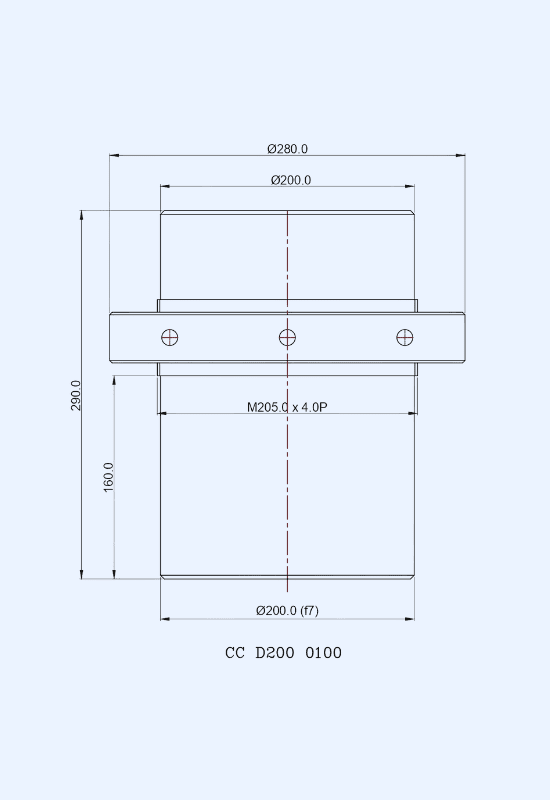
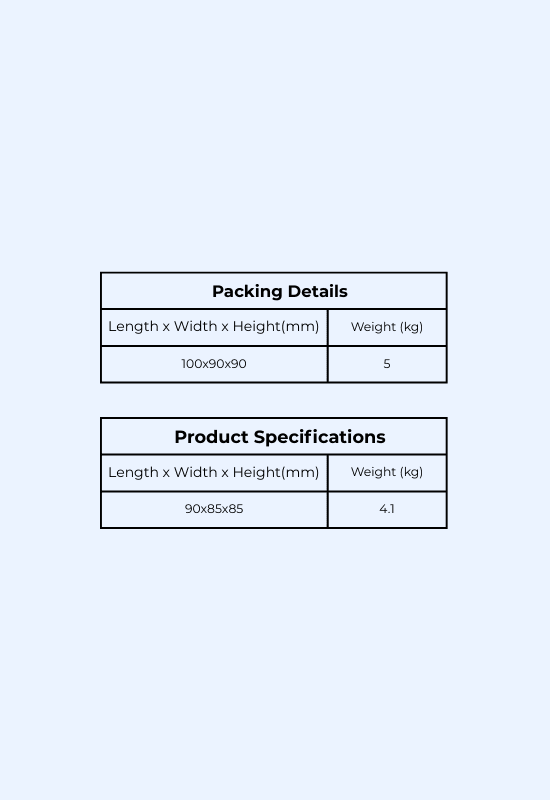
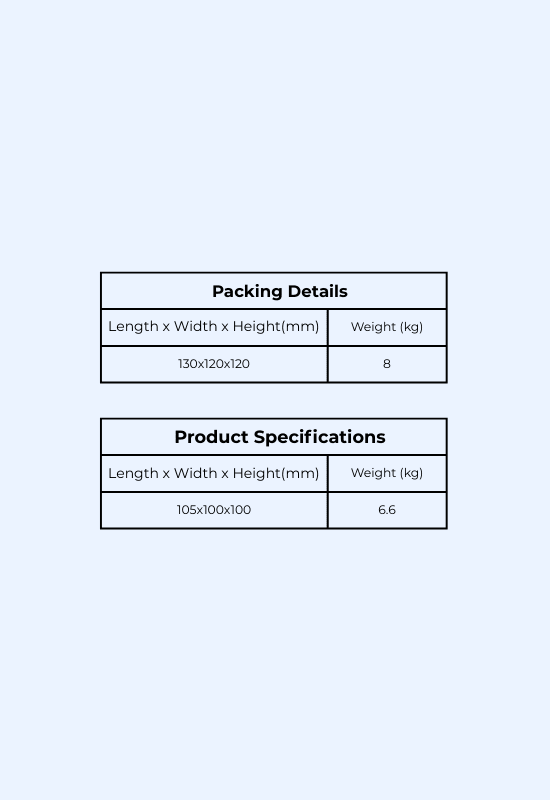
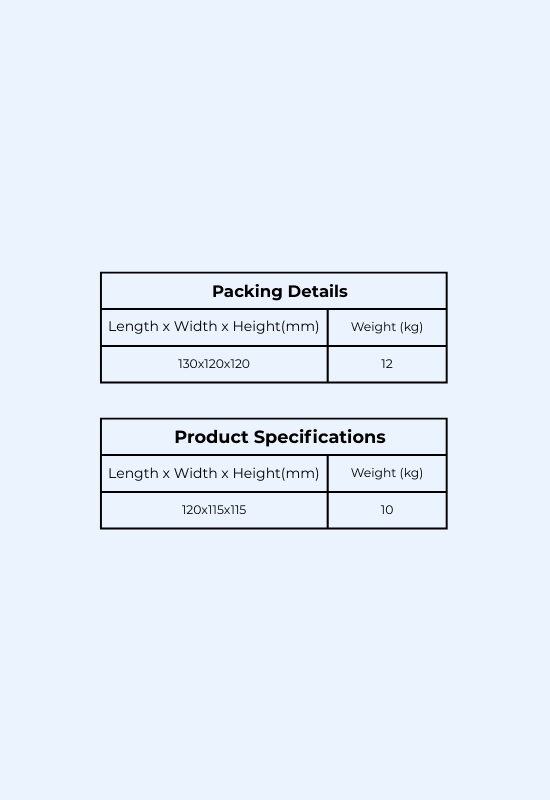
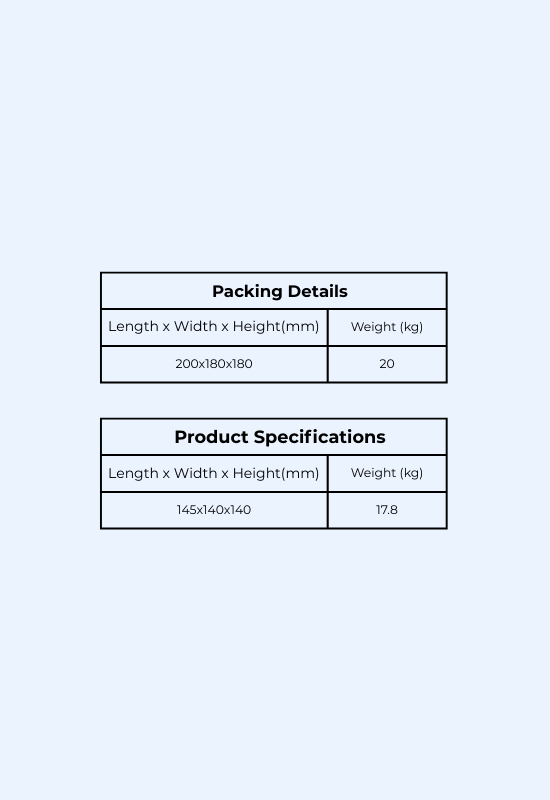
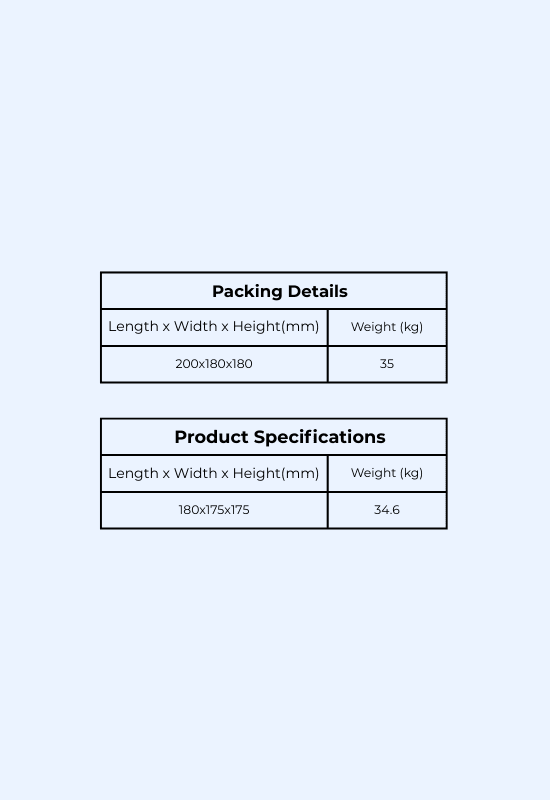
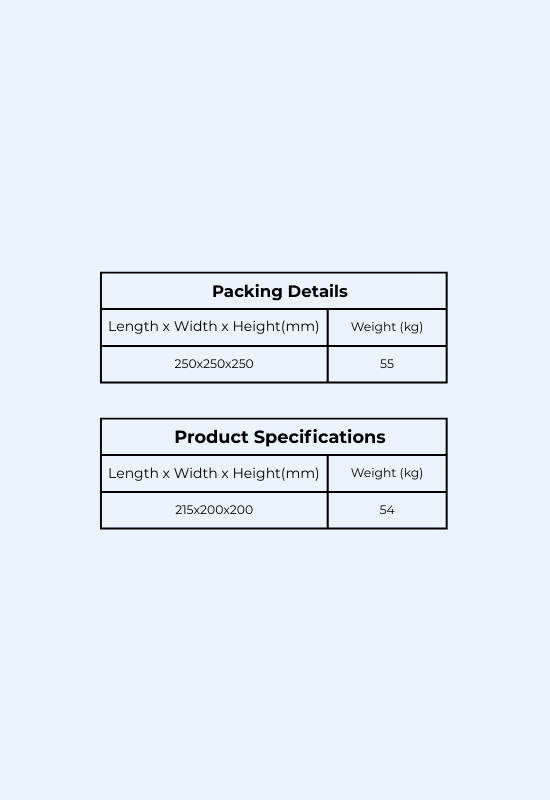
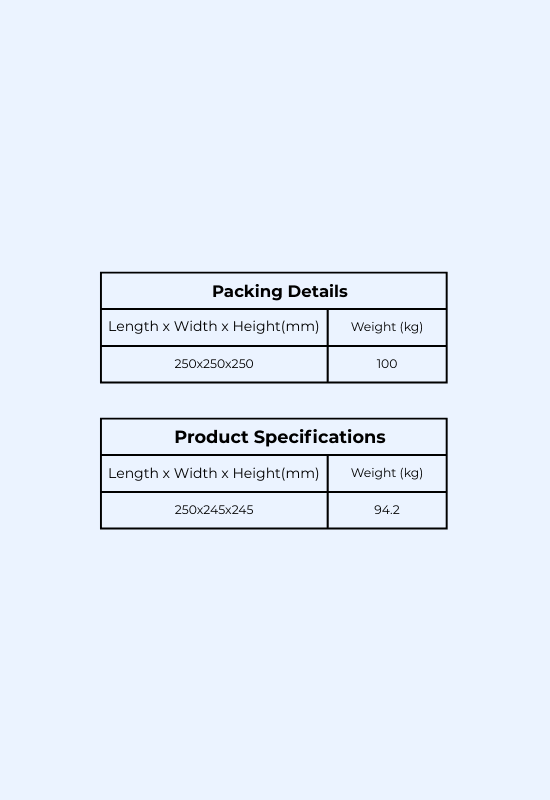
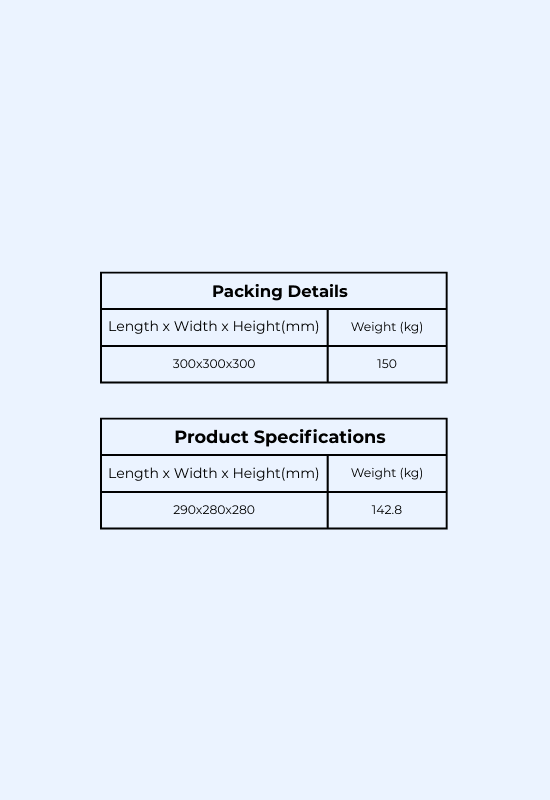
Clamping Cylinder
For clamping of the components or fixtures on the heavy machines where rigidity is important Hydro-mechanical Spring clamping pistons are very much suitable. These pistons create very high clamping force required to hold the job. The clamping force is applied through preloaded disk spring. The cylinders are loaded with spring clamping force; the hydraulic pressure is required only for the release of the spring force for the movement for the piston. Hydraulic oil quantity required is very less and can be achieved by manual pumps, requires independent working. Due to the short operating time and manual operating hydraulic pump, the system is cost effective.
Ordering Code
Choose Quantity :
Product Information
Operating Principle / Features / Applications
Operating Principle
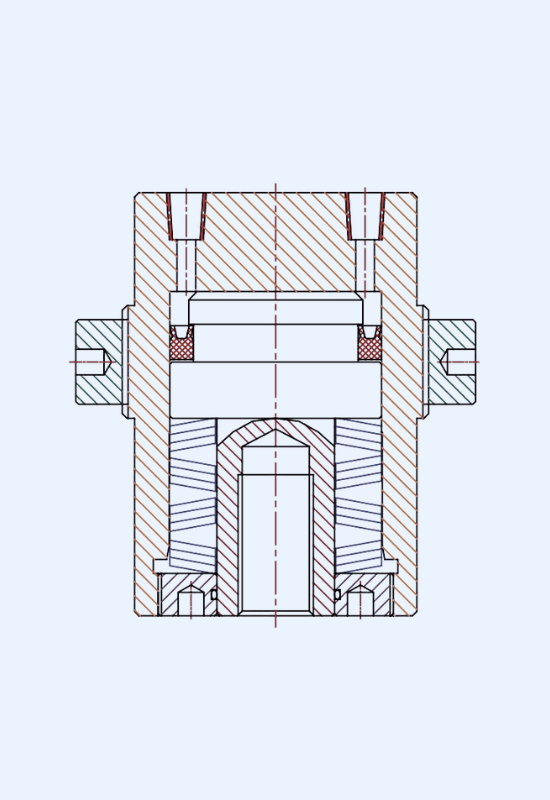
The thrust or draw piston is pressurised by the disk spring stack or by hydraulic pressure. As oil pressure increases, the spring stack is compressed and the spring force rises accordingly, reaching the nominal clamping force as a reaction force of the disk spring stack. To release the thrust or draw piston, a higher hydraulic pressure is required, which—up to a maximum value—is proportional to the release stroke. The setting pressure is needed only for precise force adjustment during initial installation. During the actual operating cycle, the cylinders operate either pressure-less or without pressure. In spring clamping cylinders, a tie rod is threaded and secured into the draw piston’s threaded hole. The system pressure is then increased to the set pressure and maintained, allowing the cylinder to be aligned using the ring guide nut. Features
The thrust or draw piston is pressurised by the disk spring stack or by hydraulic pressure. As oil pressure increases, the spring stack is compressed and the spring force rises accordingly, reaching the nominal clamping force as a reaction force of the disk spring stack. To release the thrust or draw piston, a higher hydraulic pressure is required, which—up to a maximum value—is proportional to the release stroke. The setting pressure is needed only for precise force adjustment during initial installation. During the actual operating cycle, the cylinders operate either pressure-less or without pressure. In spring clamping cylinders, a tie rod is threaded and secured into the draw piston’s threaded hole. The system pressure is then increased to the set pressure and maintained, allowing the cylinder to be aligned using the ring guide nut. Features
- Available in nine sizes: 50 to 200 mm
- Standard stroke lengths: 1 to 2 mm
- Pressure ratings up to 600 bar in hydraulic
- Heavy cylinder wall for high operational safety
- Corrosion resistant construction
- Mechanical clamping with hydraulic release
- Leak-proof design and robust construction
- Temperature range: -30°C up to +100°C
- Custom designs available
- Machine tool slide clamping
- Production fixture clamping
- Packaging machinery
- Die and mold locking
- Press machines
- And countless more